


Gate Installation in Wilton
On Wilton’s big agricultural parcels the gate is the easy part — the long trench from the panel, the heavy clay footings, and the oaks over the line are what the install actually turns on.


$1,500 Off
Your Custom Gate & Opener Installation
Get a Free Estimate
FREE same-day estimates on all gate projects.


Industry-Leading Equipment
We install and service gate automation, access control, and safety systems from the most trusted manufacturers in the industry.










- LiftMaster
- DoorKing
- HySecurity
- Viking Access
- Nice
- FAAC
- Nice Apollo Gate Openers
- Maximum Controls
- All-O-Matic
- USAutomatic
- Linear
- DoorBird
Gate Installation in Wilton, CA
Wilton is horse-property country: long driveways, wide parcels, and a service panel that’s often a good distance from where the gate wants to go. That distance — and the heavy clay it runs through — shapes more of the install than the gate design does. We plan the trench and the footing first, then the gate.
On the bigger parcels around Wilton, the two questions that decide the job are how power gets to the gate over distance, and what the footing has to do in shrink-swell clay. Both are worth settling before anyone talks about a gate style.
The long run from panel to gate
When the gate sits a few hundred feet from the house, the wire has to be sized for that run. Push a standard gauge too far and voltage drop starves the operator — it runs sluggish, draws more current, and wears its motor and control board early. On a long Wilton driveway we’d size the conductors for the distance, and where trenching the whole run isn’t practical we’d look at a sub-panel closer to the gate or, on parcels where a trench would tear up too much, a solar-assisted setup. The point is to get consistent power to the operator, not to save a few feet of wire and pay for it in service calls.
Heavy clay, and why the footing goes deep
The clay common across Wilton has real shrink-swell character — it moves with the seasons, and that movement is what walks a footing out of true over a few years. A shifted footing binds a slide track or leans a swing post, and the operator pays for it. For a substantial swing or cantilever leaf on this ground, we’d set wider, deeper footings than a lighter lot needs, so the post sits below the active zone and stays put. Where oaks or sycamores line the driveway, we’d often bore beneath the root system rather than trench through it, keeping the tree healthy and the conduit protected.
A long-driveway parcel with oaks over the line
Picture a Wilton parcel where the gate sits well back from the panel, the soil digs into heavy clay, and a row of mature oaks runs along the approach. We’d call locates, then plan the trench to bore under the major root flares instead of cutting them. We’d size the wire for the full run — likely heavier than a short suburban lot — and set deep, wide footings for the leaf. If the flat grade and long fence line suited it, a V-track slide would give reliable travel; a heavy swing would get footings and an operator matched to its weight. Design and fabrication would happen in our own shop.
Where a rushed rural install goes wrong
- Standard wire gauge run the full length of a long driveway, so voltage drop leaves the operator laboring from day one.
- Footings poured to a flat-lot spec in shrink-swell clay — the post leans, the gate binds, and it needs re-hanging within a couple of seasons.
- Trenching through oak and sycamore roots instead of boring under them; the roots later crush the conduit and take out low-voltage control wiring.
- Buried junction boxes left with weak seals, letting moisture and rodents into the low-voltage lines for intermittent sensor faults.
We install automated vehicular gates using UL 325-listed operators and the required monitored entrapment-protection devices (photo eyes and/or gate edges) for the application, with the gate built to ASTM F2200 for openings and gaps. We’re factory-trained on LiftMaster, DoorKing, HySecurity, and Viking, and we spec robust conduit and oversized wiring from the outset on the long rural runs Wilton is full of — because reliability out here is mostly decided in the trench.
Get a gate specified to your parcel, not a catalog
We’ll walk the run from panel to gate, read the soil and the trees, and design the right gate in our own Loomis shop. Free on-site estimate across Wilton and greater Sacramento.
Wilton Gate Installation FAQ
My gate is a long way from the house. Does that complicate power?
It’s the main thing we plan for out here. Over a long run, voltage drops and an underpowered operator labors and fails early. We size the wire for the distance, and where a full trench isn’t practical we’ll consider a sub-panel closer to the gate or a solar-assisted operator. We settle the approach at the on-site estimate.
Why do the footings need to be so deep on my property?
The clay common around Wilton swells and shrinks with the seasons, and that movement can walk a shallow footing out of true — leaning a swing post or binding a slide track. For heavier gates on this ground we set wider, deeper footings below the active zone so the post stays put. We confirm the dig on site rather than assume it.
There are old oaks along my driveway. Will the install hurt them?
We plan around them. Rather than trench straight through a root system, we often bore beneath the major root flares, which protects the tree and keeps the conduit from being crushed as the roots grow. Nicked roots keep growing and can sever your low-voltage control lines later, so it’s worth doing right the first time.
Swing or slide for a big rural lot?
It depends on the grade and the fence line. A flat parcel with a long clear run suits a V-track slide, which gives smooth travel and avoids swing clearance issues. A heavy swing works where there’s room, with footings and an operator sized to the leaf. We look at the actual approach before recommending one.
Can you power a gate where trenching isn’t practical?
Sometimes. On parcels where a long trench would tear up too much ground, a solar-assisted operator or a sub-panel closer to the gate can be the better path. It depends on the gate’s duty cycle and the sun exposure at the location, which we assess on site.
DC Controls is a licensed California General Engineering (“A”) and General Building (“B”) contractor, also holding C-61/D28 (Doors, Gates & Activating Devices) and C-13, under CA License #1114559. Every part of your project, from the gate to the electrical, concrete, and structural work, is handled in-house by one accountable team.
Serviced ZIP Codes: 95693
Other Service Areas
Why DC Controls
The Right Choice for Your Gate Project
Free, No-Pressure Estimates
Clear, upfront pricing with zero hidden costs.
25+ Years of Experience
Local craftsmanship trusted for decades.
Second-Generation Service
Our team will still be around when your gate needs service.
Top-Quality Materials
Built for security, reliability, and lasting durability.
Fully Licensed & Insured
Licensed General “A” & “B” contractor (CA #1114559) — we self-perform the electrical, concrete & structural work in-house.
Clean, Respectful Crews
We treat your property like it's our own.


Ready to start your gate project?
Clear, upfront pricing — no pressure, no surprises.

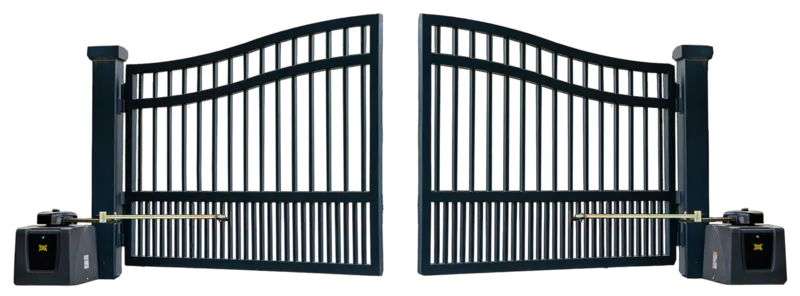
Custom Gate & Opener Installation
Get a custom automatic gate installed for your home. Free consultation included.
Claim OfferAbout Us
Licensed and Certified
Contact Us
5.0
out of 5 stars
Hundreds of Happy Customers
Real reviews from real customers — see what they have to say about their experience with DC Controls.


Daniil S.
13 June 2026
Guys definitely know what they are doing. We have them instal a motor and recently upgraded our keypad. Use them once and you will be with them for the long run.


Sergey S.
12 June 2026
I recently had a gate opener installed at my house and couldn’t be happier with the service. The installation was clean, efficient, and completed exactly as promised. The technician was knowledgeable, friendly, and answered all of my questions. Highly recommend!


Valerie Q.
19 May 2026
Thank you Alex and Daniel and Julian! We appreciate the excellent customer service and the extra effort to make sure everything was running smoothly for us! 😊 …


Get Professional Gate Installation in Wilton
Request a free on-site estimate for gate installation in Wilton. DC Controls is a licensed, insured contractor with years of local experience.